
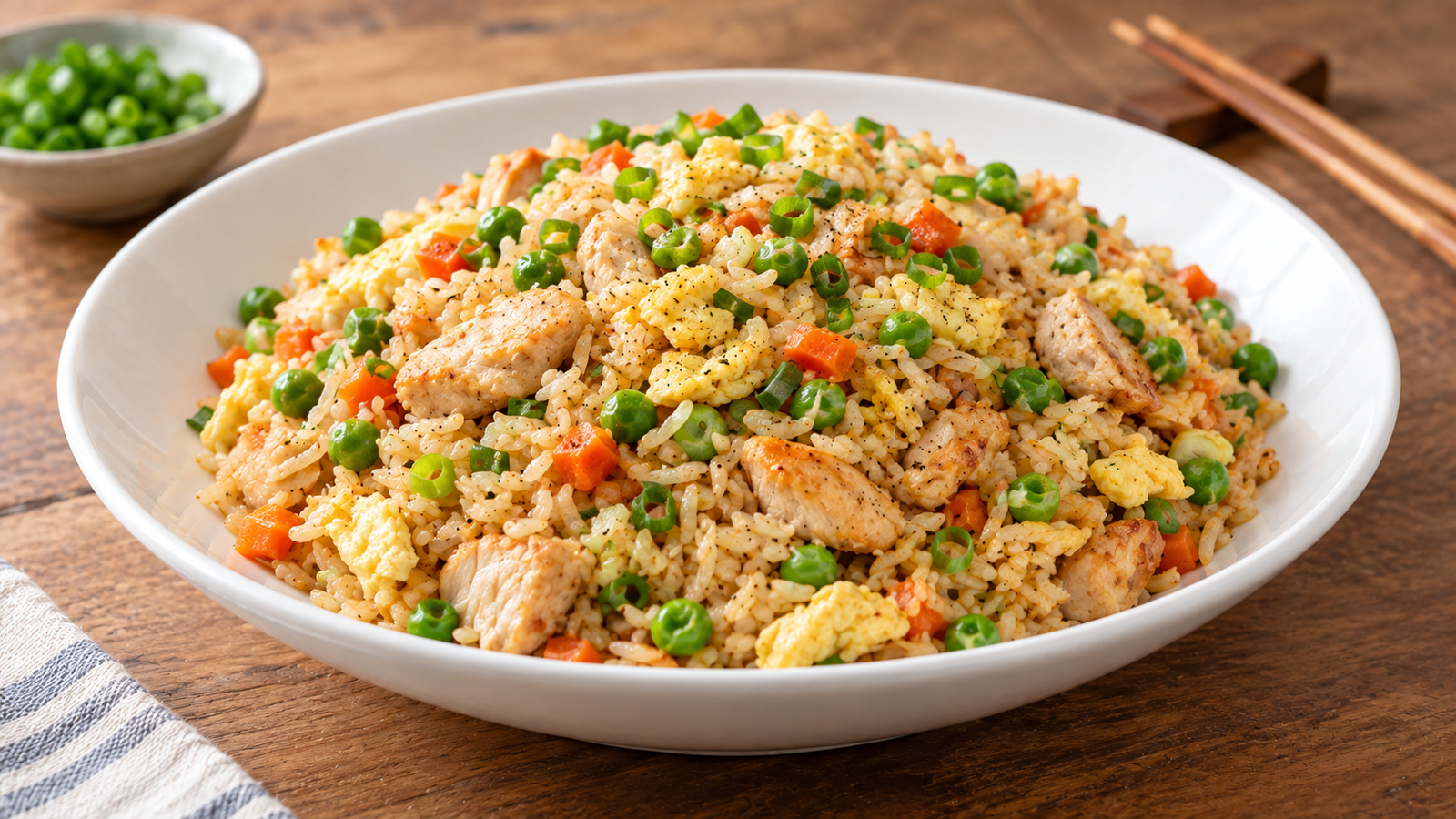
Easy Homemade Vegetable Curry
This vegetable curry is hearty, colorful, and built on a simple base of sautéed onion, garlic, ginger, and warm spices simmered with everyday vegetables. It’s a practical, satisfying main dish that comes together with common pantry spices and produce most kitchens already have on hand.
The recipe uses one pot and a straightforward cooking process: build the flavor base first, then add the vegetables and let everything simmer until tender. There’s no special equipment or hard-to-find ingredients required, which makes it approachable for beginner cooks.
Because the vegetables are easy to swap based on what’s available, this curry works well as a regular addition to a weeknight dinner rotation. It also reheats well, making it a practical dish to prepare in a larger batch.
Recipe Overview
- Prep Time: 20 minutes
- Cook Time: 30 minutes
- Total Time: 50 minutes
- Servings: 4
- Difficulty: Easy
- Cuisine: Indian-inspired
- Course: Main Dish
Ingredients
- 2 medium potatoes, peeled and cut into 1-inch cubes (about 2 cups)
- 2 medium carrots, peeled and sliced (about 1 cup)
- 1 medium bell pepper, diced
- ¾ cup green peas, fresh or frozen
- 1 medium onion, finely chopped
- 3 cloves garlic, minced
- 1 tablespoon fresh ginger, grated or minced
- 1 can (14.5 oz) diced tomatoes, or 2 medium fresh tomatoes, diced
- 3 tablespoons cooking oil
- 2 teaspoons curry powder
- 1 teaspoon ground cumin
- 1 teaspoon ground coriander
- ½ teaspoon turmeric
- 1 teaspoon salt, or to taste
- ¼ teaspoon black pepper
- 1 ½ cups water or vegetable broth
- ½ cup coconut milk — optional, for a creamier curry
- 2 tablespoons fresh cilantro, chopped, for garnish
Equipment
- Large pot or deep skillet
- Knife
- Cutting board
- Wooden spoon
- Measuring spoons
How to Make Easy Homemade Vegetable Curry
- Prepare the vegetables. Peel and cube the potatoes, slice the carrots, dice the bell pepper, and measure out the peas. Cutting the potatoes and carrots into similarly sized pieces helps them cook evenly.
- Sauté the onion. Heat the oil in a large pot over medium heat. Add the chopped onion and cook for 4–5 minutes, stirring occasionally, until softened and translucent.
- Add garlic and ginger. Stir in the garlic and ginger, and cook for about 30 seconds, until fragrant. Keep stirring to prevent the garlic from burning.
- Toast the spices. Add the curry powder, cumin, coriander, and turmeric to the pot. Stir constantly for about 30 seconds to bloom the spices in the oil, which helps deepen their flavor.
- Add the tomatoes. Stir in the diced tomatoes, scraping up any spices from the bottom of the pot. Cook for 3–4 minutes, until the tomatoes soften and the mixture starts to thicken slightly.
- Add the vegetables. Add the potatoes and carrots to the pot, stirring to coat them evenly in the tomato and spice mixture.
- Add water or broth. Pour in the water or vegetable broth, and stir to combine. Bring the mixture to a gentle boil.
- Simmer until tender. Reduce the heat to low, cover, and simmer for about 15–20 minutes, stirring occasionally, until the potatoes and carrots are fork-tender.
- Add the remaining vegetables. Stir in the bell pepper and peas, and cook for another 4–5 minutes, until the bell pepper softens slightly and the peas are heated through.
- Add coconut milk, if using. Stir in the coconut milk and simmer for another 2–3 minutes to warm through and create a creamier sauce.
- Adjust seasoning. Taste the curry and add additional salt, black pepper, or curry powder as needed.
- Garnish and serve. Remove from heat, sprinkle with fresh chopped cilantro, and serve hot.
How to Make Flavorful Vegetable Curry
Cook the aromatics fully. Give the onion enough time to soften and turn translucent before adding garlic and ginger, since a properly cooked base builds the foundation of the curry’s flavor.
Bloom the ground spices. Toasting the curry powder, cumin, coriander, and turmeric in the hot oil for about 30 seconds before adding liquid helps release their aroma and deepens the overall flavor of the dish.
Avoid watery curry. Use the amount of liquid specified and let the curry simmer uncovered for the last few minutes if it looks too thin, allowing some liquid to reduce and the sauce to thicken.
Cut vegetables into similar sizes. Uniform pieces cook more evenly, which helps prevent some vegetables from turning mushy while others are still firm.
Adjust cooking time by vegetable firmness. Firmer vegetables like potatoes and carrots need a longer simmer, while quicker-cooking vegetables like bell pepper and peas should be added later so they don’t overcook.
Tips for the Best Vegetable Curry
- Cut the potatoes and carrots into similarly sized pieces so they finish cooking at the same time.
- Don’t rush the onion — a fully softened, translucent onion creates a better flavor base.
- Bloom the spices briefly in the oil before adding liquid for a deeper, more rounded flavor.
- Add quicker-cooking vegetables, like bell pepper and peas, later in the cooking process so they stay tender-crisp rather than mushy.
- Taste and adjust the seasoning near the end of cooking, since flavors concentrate as the curry simmers.
- Add coconut milk toward the end of cooking rather than the beginning, to keep the sauce from becoming too thin during a longer simmer.
Common Mistakes to Avoid
Adding spices to an insufficiently cooked base: Adding spices before the onion, garlic, and ginger are properly softened can result in a flatter, less developed flavor. Make sure the aromatics are fully cooked first.
Cutting vegetables unevenly: Unevenly sized pieces cook at different rates, leading to some vegetables being overdone while others are still firm. Cut similar vegetables into consistent sizes.
Overcooking soft vegetables: Bell pepper and peas cook much faster than potatoes and carrots. Add them later in the cooking process to prevent them from becoming mushy.
Adding too much liquid: Too much water or broth can make the curry thin and watery. Stick to the recommended amount, and simmer uncovered near the end if the sauce needs to thicken.
Using excessive spices: Adding more spice than called for can overwhelm the dish rather than improve it. Start with the recommended amounts and adjust gradually to taste.
Not tasting and adjusting seasoning: Curry flavors develop as the dish cooks, so it’s important to taste near the end and adjust salt, pepper, or spice levels before serving.
Variations
- Coconut Vegetable Curry: Use the full ½ cup of coconut milk, or increase to ¾ cup, for a richer, creamier sauce.
- Chickpea Vegetable Curry: Add 1 can (15 oz) of drained, rinsed chickpeas along with the potatoes and carrots for added protein and texture.
- Spicy Vegetable Curry: Add ¼ to ½ teaspoon of cayenne pepper or a diced chili along with the other spices for extra heat.
- Mixed Vegetable Curry: Add other vegetables you have on hand, such as cauliflower, green beans, or zucchini, adjusting the simmer time based on how quickly they cook.
- Creamy Vegetable Curry: Stir in an extra splash of coconut milk or a spoonful of plain yogurt just before serving for a smoother, creamier finish.
- Lentil and Vegetable Curry: Add ½ cup of dried red lentils along with the water or broth, and simmer until the lentils are tender, which will also naturally thicken the curry.
Storage and Reheating
Let the curry cool to room temperature, then transfer it to an airtight container and refrigerate within about 2 hours of cooking. Stored this way, it keeps well in the refrigerator for up to 4 days.
To reheat, warm the curry in a pot over medium-low heat, stirring occasionally, adding a splash of water or broth if it has thickened too much in the refrigerator. It can also be reheated in the microwave in short intervals, stirring in between.
Vegetable curry freezes well in an airtight, freezer-safe container for up to 2–3 months. Thaw it in the refrigerator overnight before reheating for the best texture.
Serving Suggestions
- Serve over steamed basmati rice.
- Pair with warm naan or roti for scooping.
- Serve with a simple flatbread on the side.
- Garnish with extra fresh cilantro.
- Add a spoonful of plain yogurt on the side for a cooling contrast.
Frequently Asked Questions
What vegetables are best for vegetable curry? Potatoes, carrots, bell pepper, and peas all work well because they hold their shape during simmering while absorbing the curry’s flavor.
Can I use frozen vegetables? Yes, frozen peas work particularly well and can be added directly to the pot without thawing. Other frozen vegetables can also be used, added toward the end of cooking since they’re often already partially cooked.
Can I make vegetable curry without coconut milk? Yes, the coconut milk is optional. The curry will have a lighter, less creamy sauce without it, but will still be flavorful.
Can I add chickpeas? Yes, a drained and rinsed can of chickpeas can be added along with the potatoes and carrots for extra heartiness and protein.
How can I make the curry spicier? Add cayenne pepper, red pepper flakes, or a diced fresh chili along with the other spices, adjusting the amount to your preferred heat level.
How long does vegetable curry last in the refrigerator? Stored in an airtight container, it keeps well for up to 4 days in the refrigerator.
Can vegetable curry be frozen? Yes, it freezes well for up to 2–3 months in an airtight, freezer-safe container. Thaw in the refrigerator before reheating.
What should I serve with vegetable curry? Steamed rice, naan, or roti are all good options, along with a simple side of yogurt for a cooling contrast.
Nutrition
Estimated per serving (recipe makes 4 servings):
- Calories: 240
- Protein: 5 g
- Carbohydrates: 32 g
- Fat: 11 g
- Saturated Fat: 3 g
- Fiber: 6 g
- Sodium: 620 mg
Nutrition information is an estimate and may vary depending on the specific ingredients and serving size used.
WordPress Recipe Card
Easy Homemade Vegetable Curry
Description: A hearty, flavorful vegetable curry made with potatoes, carrots, bell pepper, and peas in a simple aromatic sauce.
Prep Time: 20 minutes Cook Time: 30 minutes Total Time: 50 minutes Servings: 4
Ingredients
- 2 medium potatoes, peeled and cubed (about 2 cups)
- 2 medium carrots, peeled and sliced (about 1 cup)
- 1 medium bell pepper, diced
- ¾ cup green peas, fresh or frozen
- 1 medium onion, finely chopped
- 3 cloves garlic, minced
- 1 tablespoon fresh ginger, grated or minced
- 1 can (14.5 oz) diced tomatoes, or 2 medium fresh tomatoes, diced
- 3 tablespoons cooking oil
- 2 teaspoons curry powder
- 1 teaspoon ground cumin
- 1 teaspoon ground coriander
- ½ teaspoon turmeric
- 1 teaspoon salt, or to taste
- ¼ teaspoon black pepper
- 1 ½ cups water or vegetable broth
- ½ cup coconut milk, optional
- 2 tablespoons fresh cilantro, chopped, for garnish
Instructions
- Sauté the onion in oil until softened, about 4–5 minutes.
- Add garlic and ginger and cook until fragrant, about 30 seconds.
- Stir in curry powder, cumin, coriander, and turmeric, and cook for 30 seconds.
- Add the diced tomatoes and cook for 3–4 minutes.
- Add the potatoes and carrots, stirring to coat.
- Pour in the water or broth and bring to a gentle boil.
- Cover, reduce heat, and simmer for 15–20 minutes, until the potatoes and carrots are tender.
- Stir in the bell pepper and peas, and cook for 4–5 minutes.
- Stir in coconut milk, if using, and simmer for 2–3 minutes.
- Adjust seasoning to taste, garnish with cilantro, and serve hot.
Notes
- Cut potatoes and carrots into similarly sized pieces for even cooking.
- Bloom the spices briefly in the oil for a deeper flavor before adding liquid.
- Add bell pepper and peas later in cooking to keep them from becoming mushy.
- Coconut milk is optional but adds a creamier texture and richer flavor.
- Leftovers keep well in the refrigerator for up to 4 days or in the freezer for 2–3 months.